
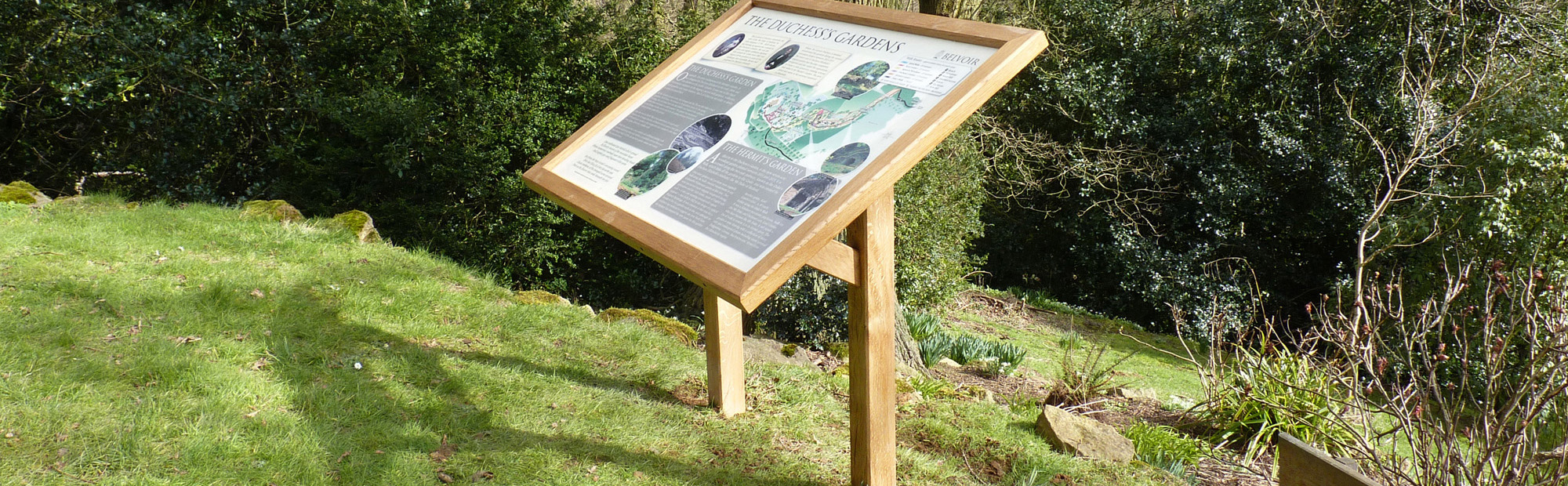

Effective interpretation signage sits at the intersection of design, education and durability. At its best, it helps people understand landscapes, wildlife and history while enhancing a place rather than dominating it.
At DAB Graphics, we design and manufacture wildlife and heritage interpretation signs for nature reserves, parks, trails and public spaces across the UK. With nearly two decades of experience, we know that successful interpretation boards rely as much on technical decisions as they do on visual design.
Interpretation Signage: Informing, Explaining and Engaging
Interpretation signage is designed to do far more than simply point people in the right direction. Its primary purpose is to inform, explain and actively engage visitors by sharing meaningful stories about the places they are exploring. Unlike basic wayfinding or directional signs, interpretation boards provide context, helping people understand habitats, wildlife species, cultural heritage and how landscapes have evolved over time.
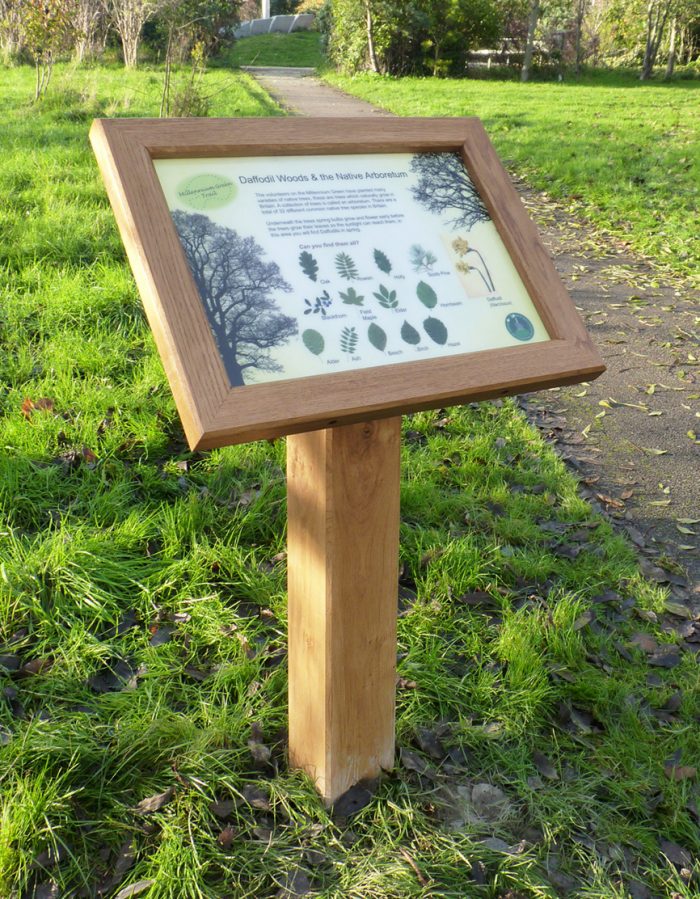
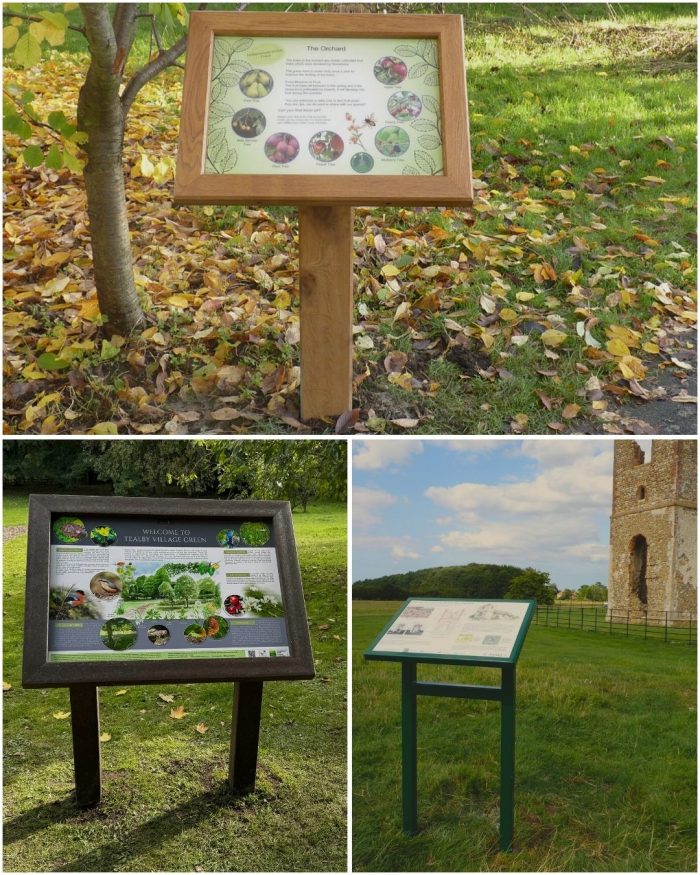
Typical examples include wildlife interpretation boards found in nature reserves, habitat panels installed in parks and school grounds, and heritage interpretation signs positioned along trails, footpaths and historic sites. Oak lecterns are often used to present maps, timelines, ecological information or historical narratives in a clear and accessible way. Together, these elements help visitors feel more connected to the environment, encouraging learning, curiosity and responsible interaction with the landscape.
Visual Design: Encouraging People to Stop, Read and Engage
The visual design of an interpretation board plays a crucial role in determining whether people stop to read it at all. Clear layouts, a strong visual hierarchy and well-considered typography help guide the reader’s eye and make information easier to absorb. When content is presented clearly, visitors are more likely to engage with it, even if they only have a short amount of time.
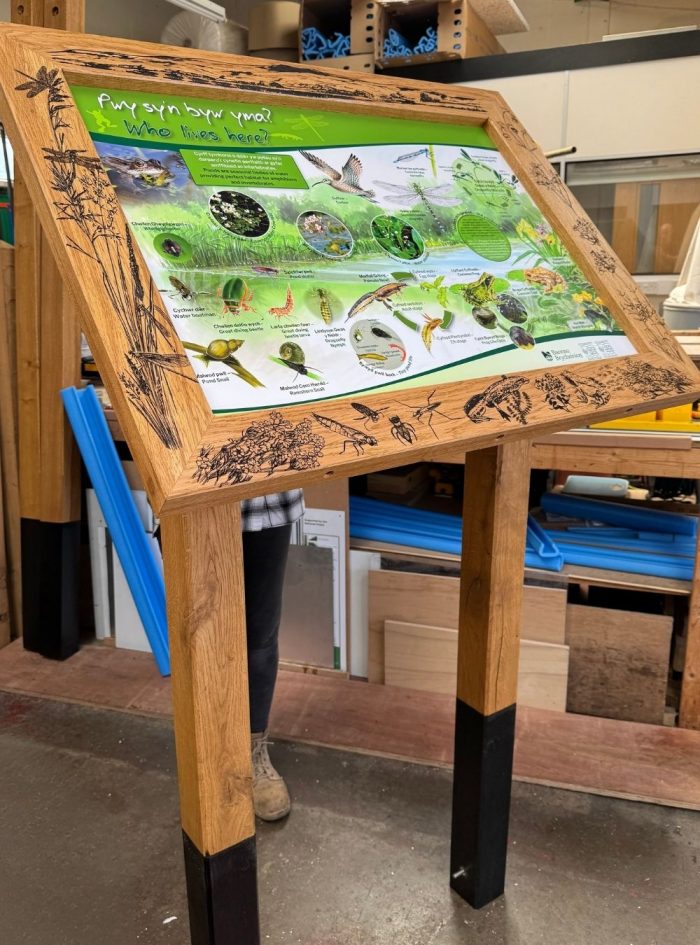
High-quality wildlife illustrations, maps and diagrams are particularly effective, allowing people to link what they are reading to what they can see around them. These visual elements help explain complex ideas quickly and make interpretation signage more memorable. Outdoor signage must also remain legible in bright sunlight, be accessible from both standing and wheelchair heights, and continue to look visually appealing as materials naturally weather over time. Good design ensures interpretation boards remain effective and welcoming throughout their lifespan.
Technical Decisions: Materials, Durability and Longevity
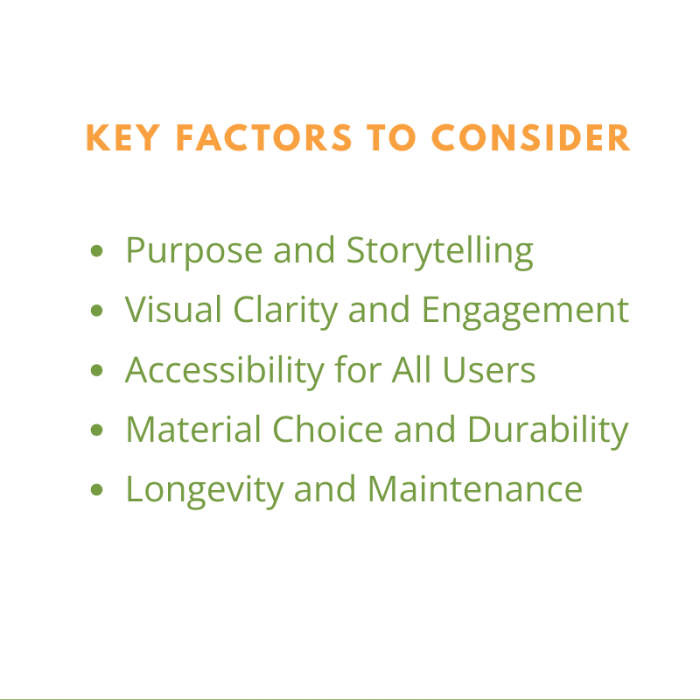
Behind every successful interpretation board lies a series of technical decisions that directly affect its durability and long-term performance. Choosing the right materials is essential to ensure signage can withstand exposure to weather, heavy use and changing environmental conditions without compromising appearance or legibility.
Common material choices include oak lecterns and posts for rural, heritage and conservation settings, where a natural appearance is important. Printed aluminium panels are widely used for their excellent colour stability and resistance to fading, while recycled plastic signage offers a highly durable solution for exposed or high-wear locations. Additional protective measures such as specialist finishes, reverse printing and anti-graffiti coatings help extend the lifespan of outdoor signage, reducing maintenance requirements and ensuring information remains clear and accessible for years to come.
DESIGNING FOR REAL VISITORS
Interpretation signage should always be designed with the end user in mind. Reading height, panel angle, clear language and logical content flow all contribute to a positive visitor experience.
WILDLIFE HABITAT PANELS: A PRACTICAL SOLUTION
Not every project requires fully bespoke artwork. Habitat panels provide a cost-effective way to share information about local wildlife and ecosystems, particularly for parks, schools and community green spaces.
FROM CONCEPT TO COMPLETION
Managing the process from initial concept through to manufacture ensures consistency in design, materials and message, resulting in interpretation boards that perform well long after installation.
WHY INTERPRETATION SIGNAGE MATTERS
Well-designed interpretation signs encourage engagement, support education and community involvement, and help protect sensitive environments by guiding visitor behaviour.
Successful wildlife and heritage interpretation signage is the result of thoughtful design, informed material choices and a clear understanding of how people interact with outdoor spaces. When visual storytelling is combined with durable, well-specified materials, interpretation boards can inform, inspire and remain effective for many years.
Whether installed in nature reserves, parks, trails or public spaces, well-designed interpretation signs help visitors connect with landscapes and heritage while supporting education, conservation and responsible access. By considering both the creative and technical aspects from the outset, organisations can ensure their signage enhances the environment rather than competing with it.
At DAB Graphics, our experience in designing and manufacturing interpretation signage allows us to support projects from concept through to installation, delivering solutions that are visually engaging, robust and suited to real-world conditions.

1 Comment
Warning: Undefined array key 180 in /home/sites/dabgraphics.co.uk/public_html/wp-content/themes/WT1/functions.php on line 329
excellent put up, very informative. I wonder why
the opposite specialists of this sector don’t realize this.
You should continue your writing. I’m sure, you’ve a huge readers’ base already!